Hip pain can make a short walk feel long. Getting out of a chair, climbing stairs or sitting on the floor becomes something you have to think through. A hip that feels tight may send you looking for a deeper stretch, even when stretching has not made those activities easier.
The useful question is what would help you move through your day with less pain. That may involve more available movement, more control of the movement you already have or a different way to find support.
Amari works with those differences. Garrett guides movements and positions to help reduce pain and restriction, adapting the work around how you respond. Hip work can involve the pelvis, legs and back together, rather than repeatedly pulling on the place that feels tight.
Describe what your hip is stopping you from doing
Where you feel discomfort and which activities bring it on are useful details. Hip pain can have several possible causes, so those details alone do not tell you the cause. They help a clinician assess the problem and help you explain the movement you want to work on with Garrett.
You might be able to walk comfortably but struggle with stairs. You might move easily into a position yet find it hard to control as you come out. Or your hip might feel restricted after sitting, without knowing which movement will help.
Those are different starting points. The aim is to find a useful change in the activity or movement that matters to you, not to meet a standard of flexibility that has little to do with your day.
Why the two bridges matter
The Passive Bridge and Active Bridge articles make an important distinction in the Amari practice.
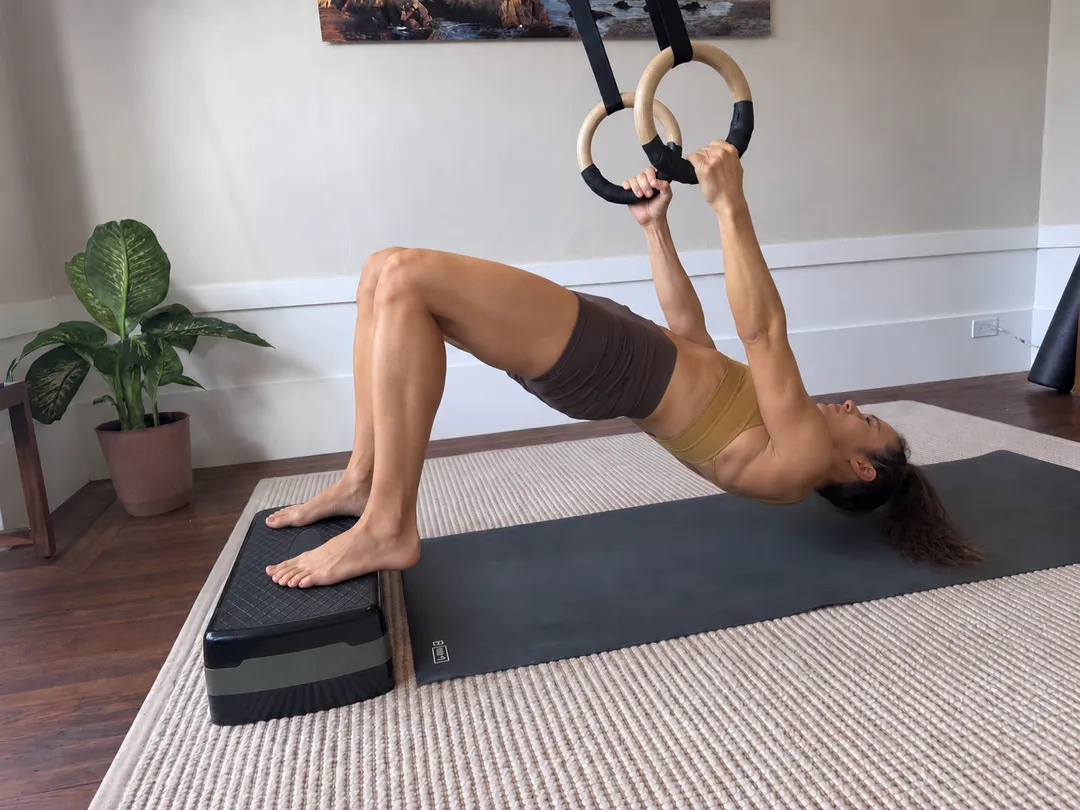
The Passive Bridge uses support to let the body settle and find movement with less effort. The Active Bridge asks for more participation in the movement, with attention to how you support yourself and control the action.
One person may need help letting go of unnecessary effort before movement becomes available. Another may have plenty of available range but need to feel more supported within it. Feeling stretched and feeling supported are different experiences. Garrett may use both bridges, in different amounts, rather than decide that everyone with hip pain needs a deeper stretch.
Read about the Passive Bridge and Active Bridge.
The height of the movement is not the point
During bridge work, Garrett uses discomfort as a reason to adjust the movement. If lifting higher strains the lower back, he asks for a smaller range and brings attention back to the breath.
That is a useful example of how feedback changes the work. A bigger bridge is not automatically a better bridge. The position, support, pace and effort matter because they change what the person experiences.
You are learning to recognize those differences as you move. If a position becomes easier when it is smaller or better supported, that gives you a starting point you can work with. It is not a failure to reach the shape in a photograph.
Hip work beyond the hip flexors
A tight-feeling hip does not tell you which part of the movement needs attention. Repeatedly stretching the front of the hip can leave other difficulties unexplored, such as controlling a step or getting up from a low chair.
Walking comfortably, lifting in the gym and sitting on the floor are different goals. The work should help with the one that matters to you. The psoas article looks at one part of hip work; the bridges offer other ways to work with movement and support.
Further sessions build on changes in pain and movement and help you develop a practice you can use yourself. The useful question between visits is whether the work is helping you do more of what you came for.
When to get hip pain checked
Get medical advice if hip pain keeps returning, affects your sleep or limits normal activities. Sudden severe pain, a hot or swollen hip, or feeling unwell with hip pain needs prompt attention. Severe pain after an injury or being unable to walk or bear weight needs urgent medical care. See the NHS guidance on hip pain.
Amari does not diagnose or treat medical conditions. If guided movement is appropriate for you, learn about working on hip pain and restriction with Garrett.