The psoas is the messenger, not the source. If it's chronically tight, something else has stopped doing its job, and the psoas is taking up the slack. Trigger-point work, somatic release, and manual psoas pressure all reduce the symptom for a few hours, sometimes a few days. Then the same load comes back, and so does the tightness. Here's what's actually happening upstream.
The psoas is a deep hip flexor, not a postural muscle. When your pelvis tips forward and parts of your hips stop engaging, the psoas takes up the slack. It holds you upright, walks you across the room, and stabilizes your back. It works around the clock because nothing else is. That's why it never lets go.
Foam rollers, elbow work, manual psoas release: they all reduce tension in the moment. But if the pattern that loaded the psoas hasn't changed, it tightens again within days. You can keep digging in. The psoas keeps gripping. The cycle is the problem, not your effort.
The psoas is the most loyal muscle in your body. It will grip for as long as you need it to.
When the pelvis tips forward, the psoas has to hold the front of your spine up against gravity. That's a postural job. The psoas is happy to do it for years, but the cost is a permanent grip. Most chronic psoas tension starts here.
Sitting for hours changes the balance between the front and back of your hips. Glutes that should fire don't. Deep external rotators that should engage stay quiet. When the hip stops doing its job, the psoas becomes the only thing holding you together below the diaphragm.
You can release the psoas directly. It will release for hours. It tightens again because the demand returns the moment you stand up. The lasting change happens upstream: bring the hip back online, return the pelvis to position, and the psoas relaxes on its own.
The psoas is the messenger. It's rarely the source.Garrett
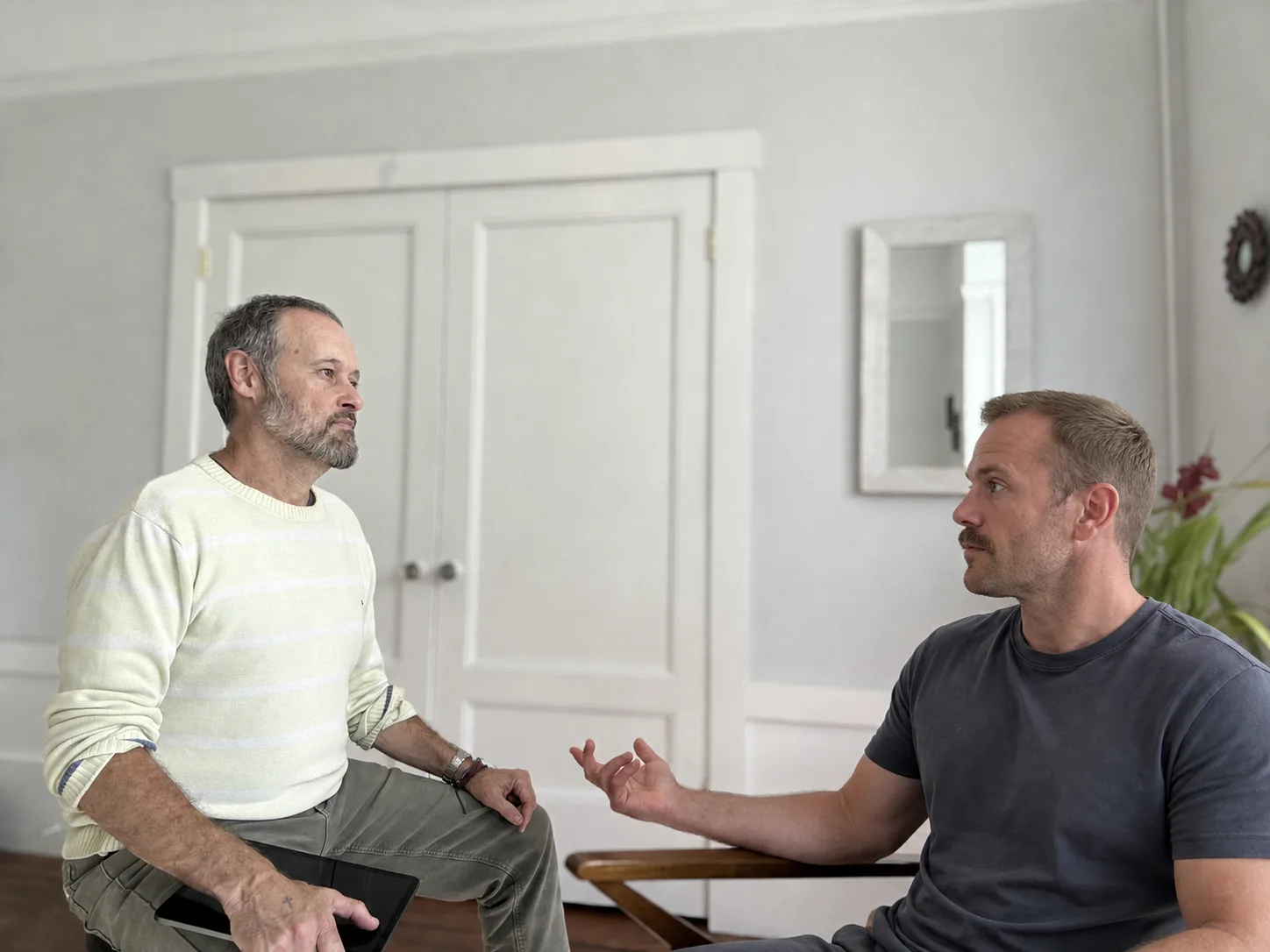
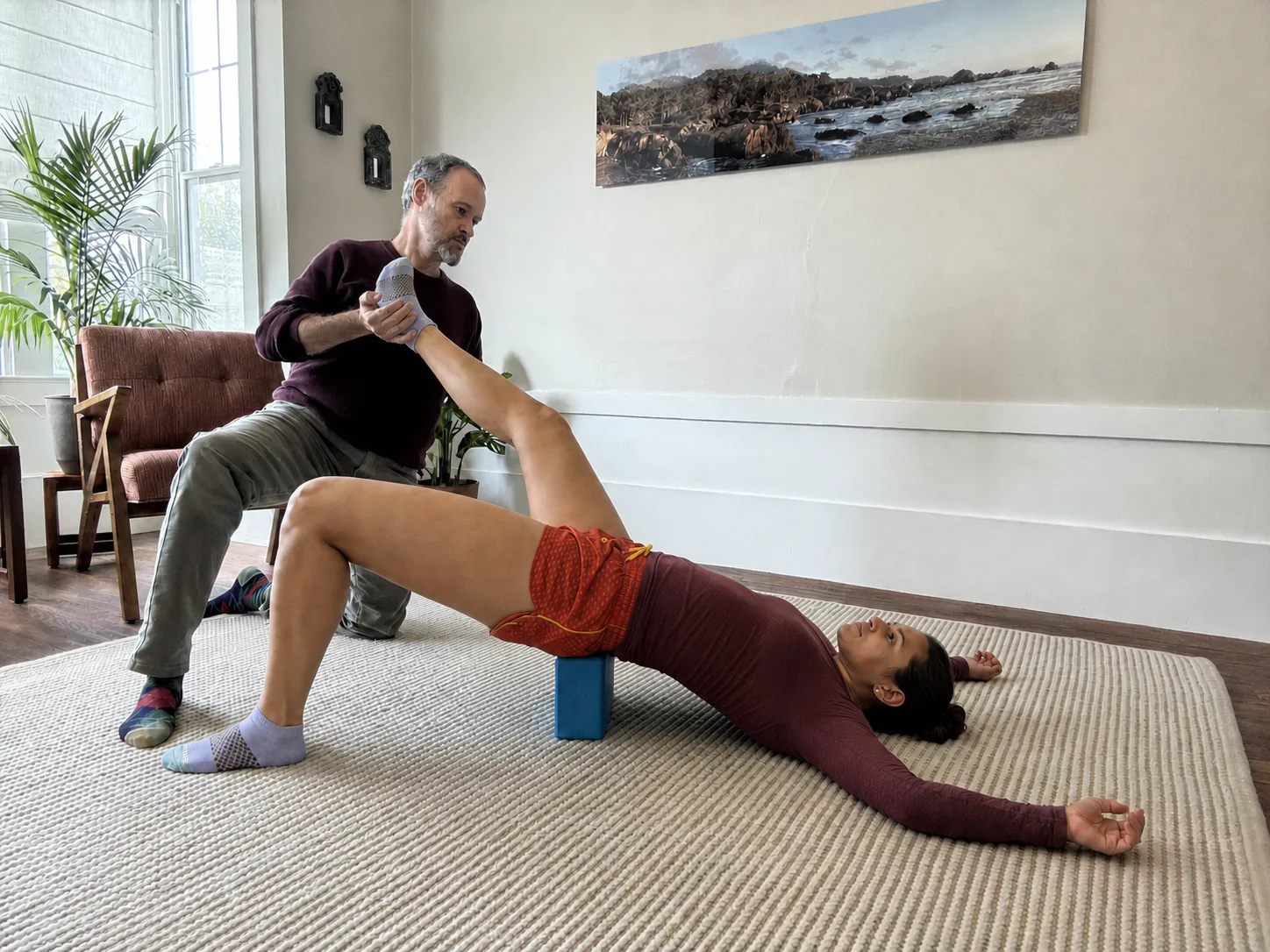
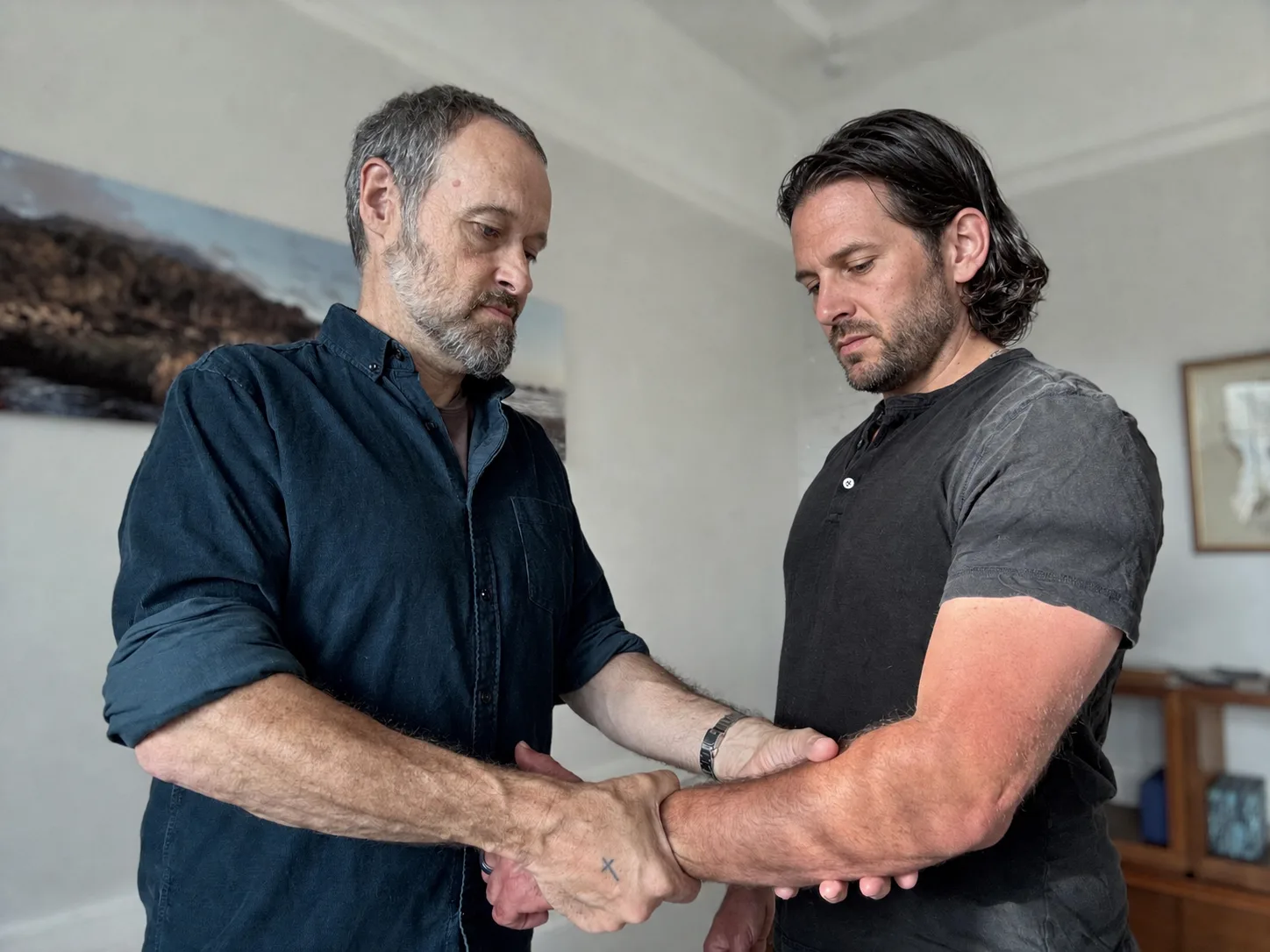
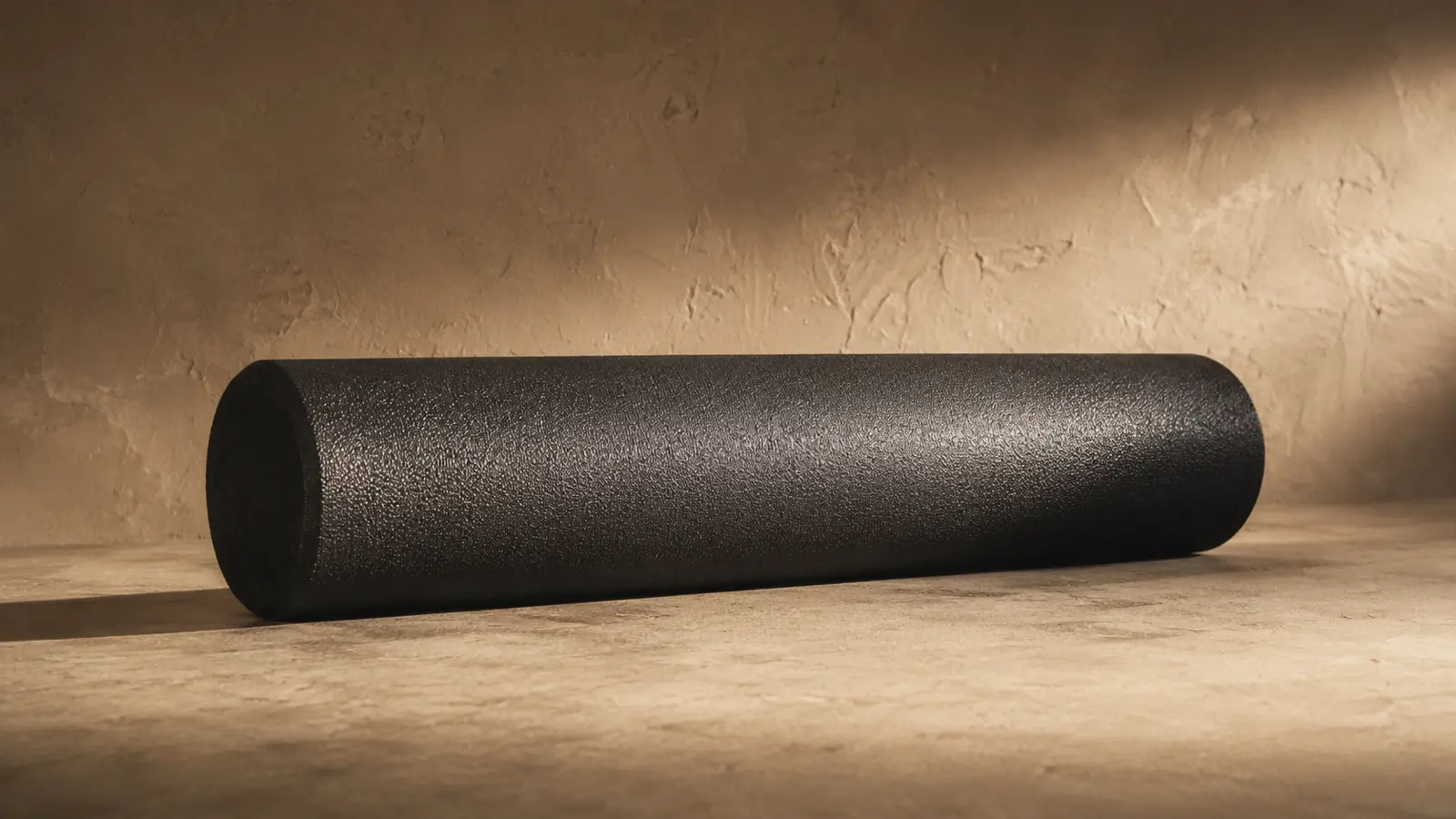
Garrett assesses how your body moves: where it's overworking, where it's shut down. Using simple props like yoga blocks, foam rollers, and gymnastic rings, he guides you through positions where your body starts to rebalance itself. Most practice members feel a noticeable shift before the session ends.
Virtual sessions work well for psoas release too. The work is in finding the pattern and changing the load, not in hands-on muscle work, so it translates cleanly over video. Garrett assesses your posture and movement over live video and guides you through positions that release the psoas at the source.
If your psoas keeps gripping no matter how much release work you get, we can help. See how the Amari Method finds the pattern behind it.
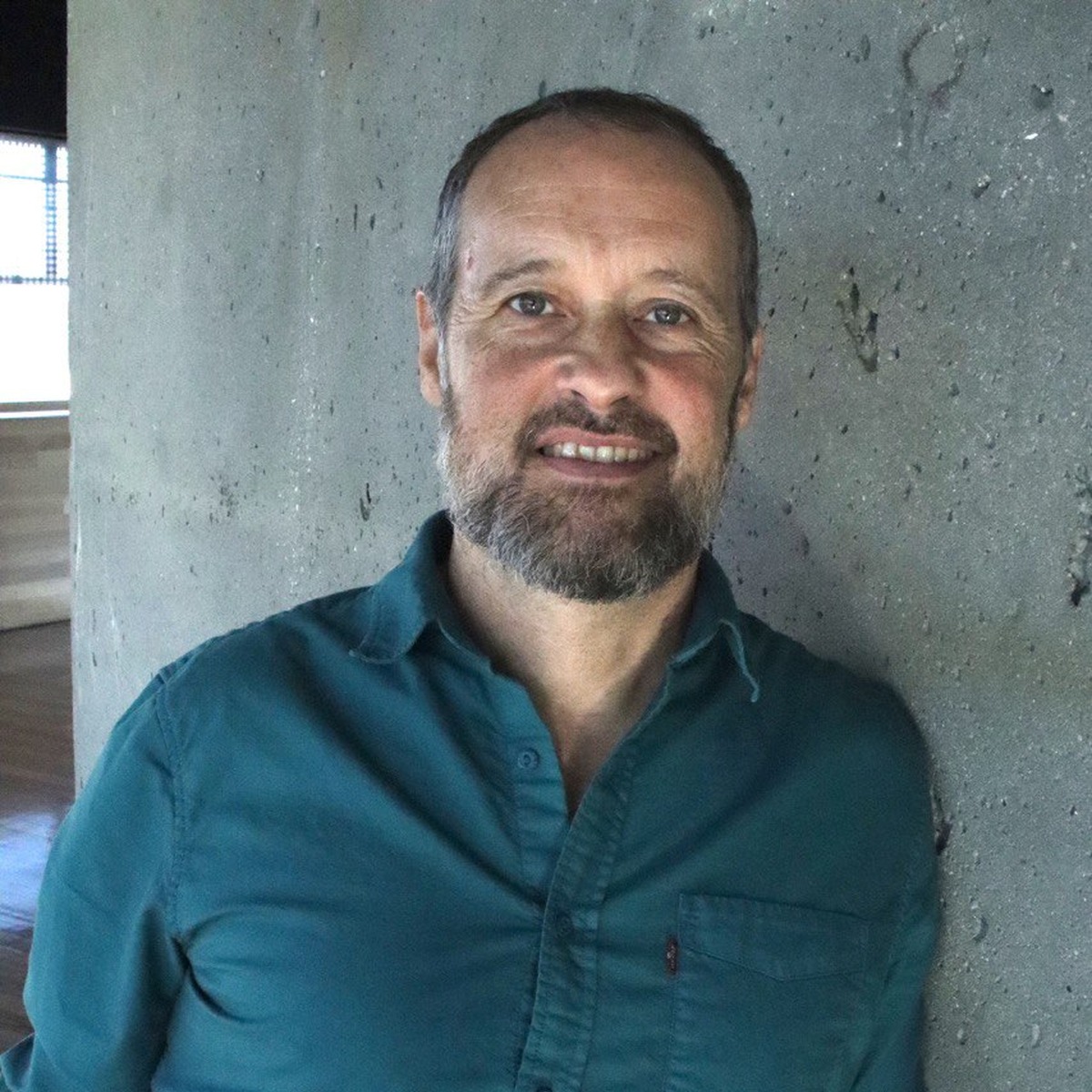
Garrett has spent 25+ years in hands-on practice. He built the Amari Method after using its own protocols to resolve his own carpal tunnel and plantar fasciitis.
Start with an Amari Assessment. Garrett will meet you in person, move with you, and explain what a fuller practice could look like.
$29 · 50-minute in-person Assessment · San Francisco