You've been stretching. Every morning, maybe before bed too. You touch your toes, pull your knee to your chest, twist your spine on the floor. It feels good for about twenty minutes. Then the pain comes right back.
You've been doing this for months, maybe years, and you're starting to wonder: if stretching is supposed to help, why isn't it working? You're not doing it wrong. Stretching is just the wrong tool for the job.
Here's what happens when you stretch a tight, painful muscle: you temporarily lengthen it, increase blood flow to the area, and signal overworked muscles to reduce guarding. That's why it feels good immediately. Your brain gets a burst of relief and reads it as the problem being solved.
But the muscle tightens back up within minutes to hours. Why? Because the tightness isn't the problem. It's a symptom. Your muscles are tight because something deeper is out of balance, and they're tightening to protect you from it. Stretching a protective muscle is like turning off a fire alarm instead of putting out the fire.
Muscles don't tighten randomly. There's always a reason. For chronic back pain, three common causes sit behind it, and none of them respond to stretching.
Your vertebrae are too close together. Discs are dehydrated and compressed. Nerves are being pinched. Your muscles tighten around the area to splint it and protect the nerves. Stretching those muscles removes the splint without changing the compression, so they have no choice but to tighten again.
Some muscles tighten because the muscles that should be doing the stabilizing job have shut off. If your glutes aren't firing, your lower back muscles pick up the slack. They tighten because they're overworked, not because they're inflexible. Stretching an overworked muscle doesn't wake up the dormant one. It just removes what little stability you have.
Your body is a chain. When one link doesn't move properly, the links above and below compensate. A locked hip makes your lower back work overtime. Stretching the painful area does nothing to fix the area that's actually restricted.
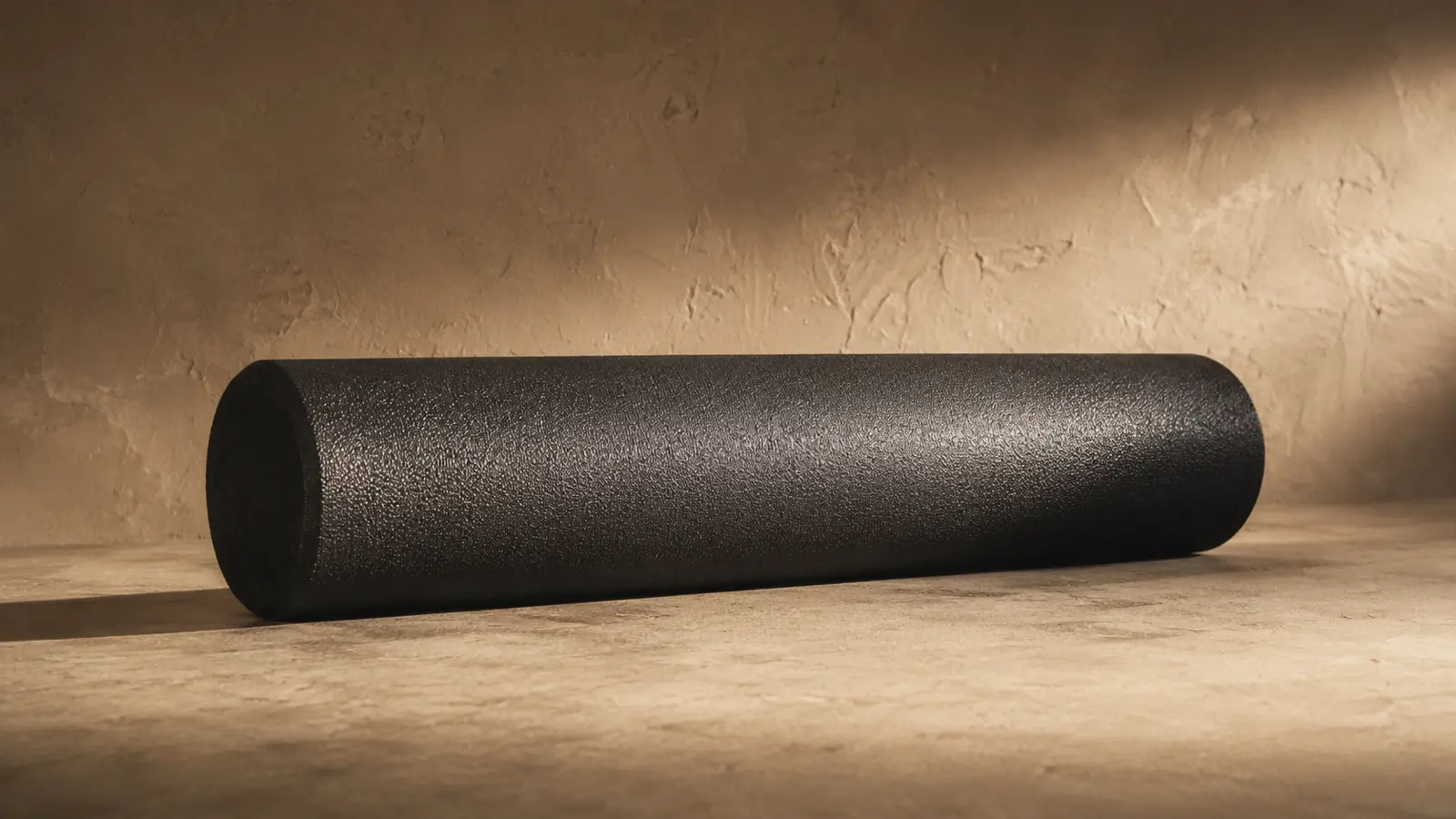
If compression is the root cause, you need decompression, not stretching. These are different things. Stretching pulls muscles longer. Decompression creates space between bones. Hanging from a bar, lying over a foam roller, and specific spinal protocols create the space your spine needs. Once the compression is relieved, the muscles guarding the area release on their own.
If your back muscles are tight because your glutes are weak, the answer isn't to stretch your back. It's to strengthen your glutes. When the right muscles start doing their job again, the compensating muscles can finally relax. The path to looseness often runs through strength, not flexibility.
Stop chasing the pain. The place that hurts is almost never the place causing the problem. A thorough assessment identifies the actual restriction or weakness driving your pain pattern, then addresses that, which often resolves the pain in areas you weren't even treating.
Muscles tighten for a reason. The key is understanding why before trying to force them to release.Garrett
For some types of back pain, stretching does more than fall short. It can make them worse. Watch for pain that returns within an hour of stretching, needing to stretch more and more for the same relief, feeling great during the stretch but worse the next day, or pain that's getting worse despite consistent stretching. If any of these sound familiar, the tightness you're fighting is there for a reason. The answer isn't to fight harder. It's to find out why it's there and address that instead.
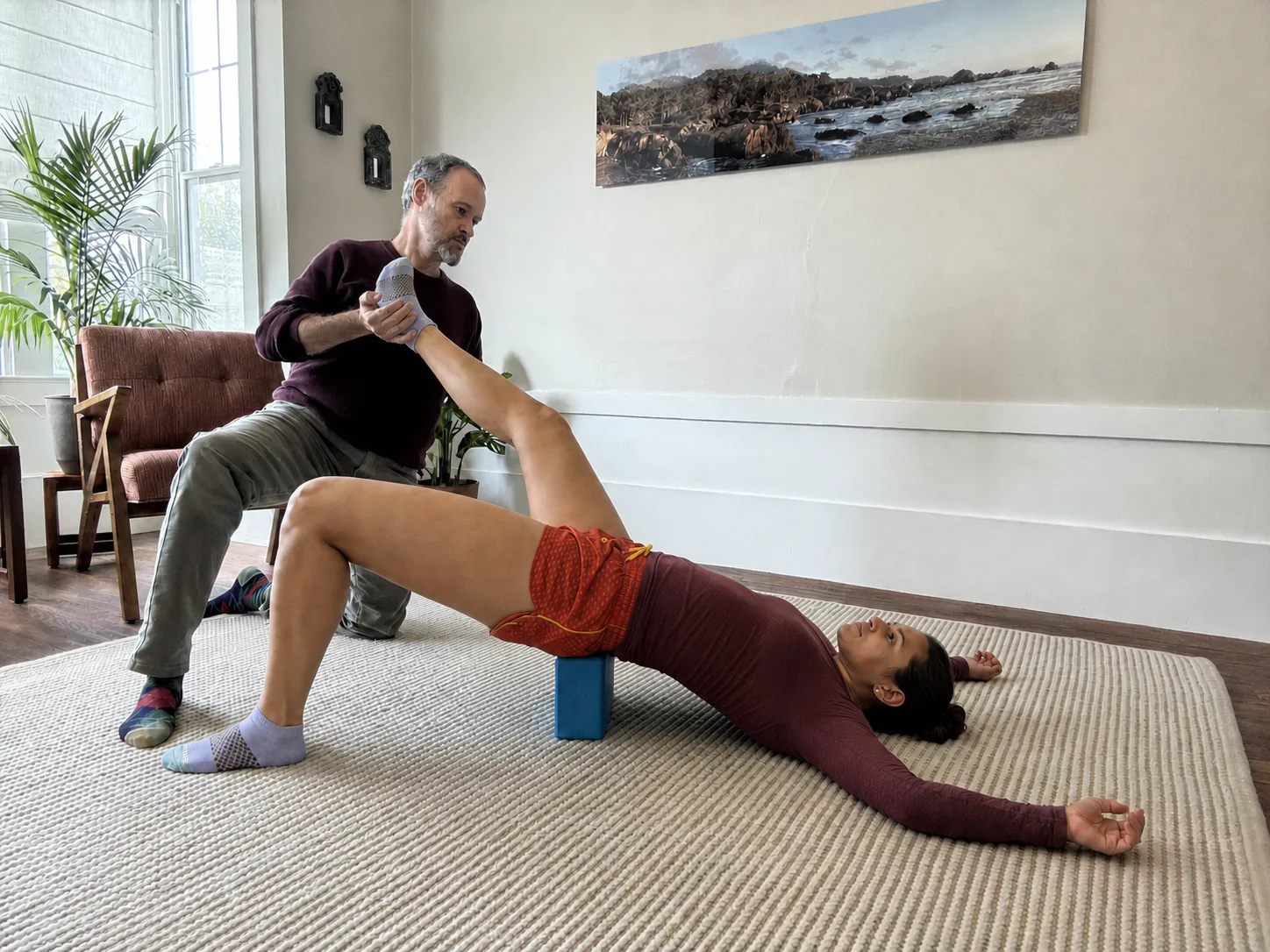
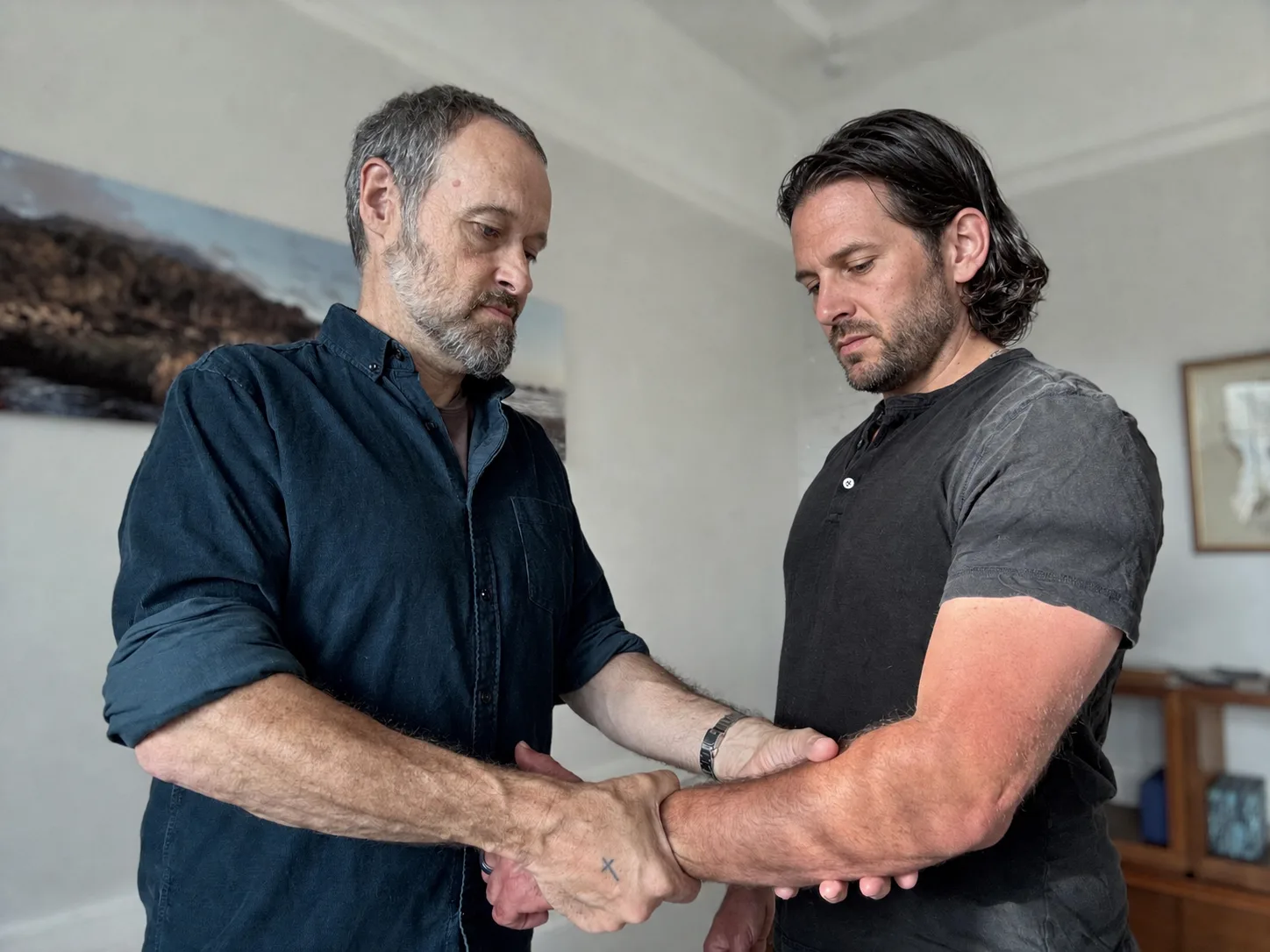
Garrett assesses where you're compressed, where you're tight, and where you're weak, three different problems that need three different solutions. Using simple props like foam rollers and gymnastic rings, he decompresses first, then activates what's dormant, then mobilizes what's restricted. You leave with a short daily practice built around your specific pattern, not a generic stretching routine from the internet.
Virtual sessions work the same way. The work is in finding the pattern and changing the load, not in hands-on pressure, so it translates cleanly over video.
If you've been stretching for months without lasting relief, the problem isn't effort. It's targeting. See how the Amari Method finds your specific compensation pattern.

Garrett has spent 25+ years in hands-on practice. He built the Amari Method after using its own protocols to resolve his own carpal tunnel and plantar fasciitis.
Start with an Amari Assessment. Garrett will meet you in person, move with you, and explain what a fuller practice could look like.
$29 · 50-minute in-person Assessment · San Francisco