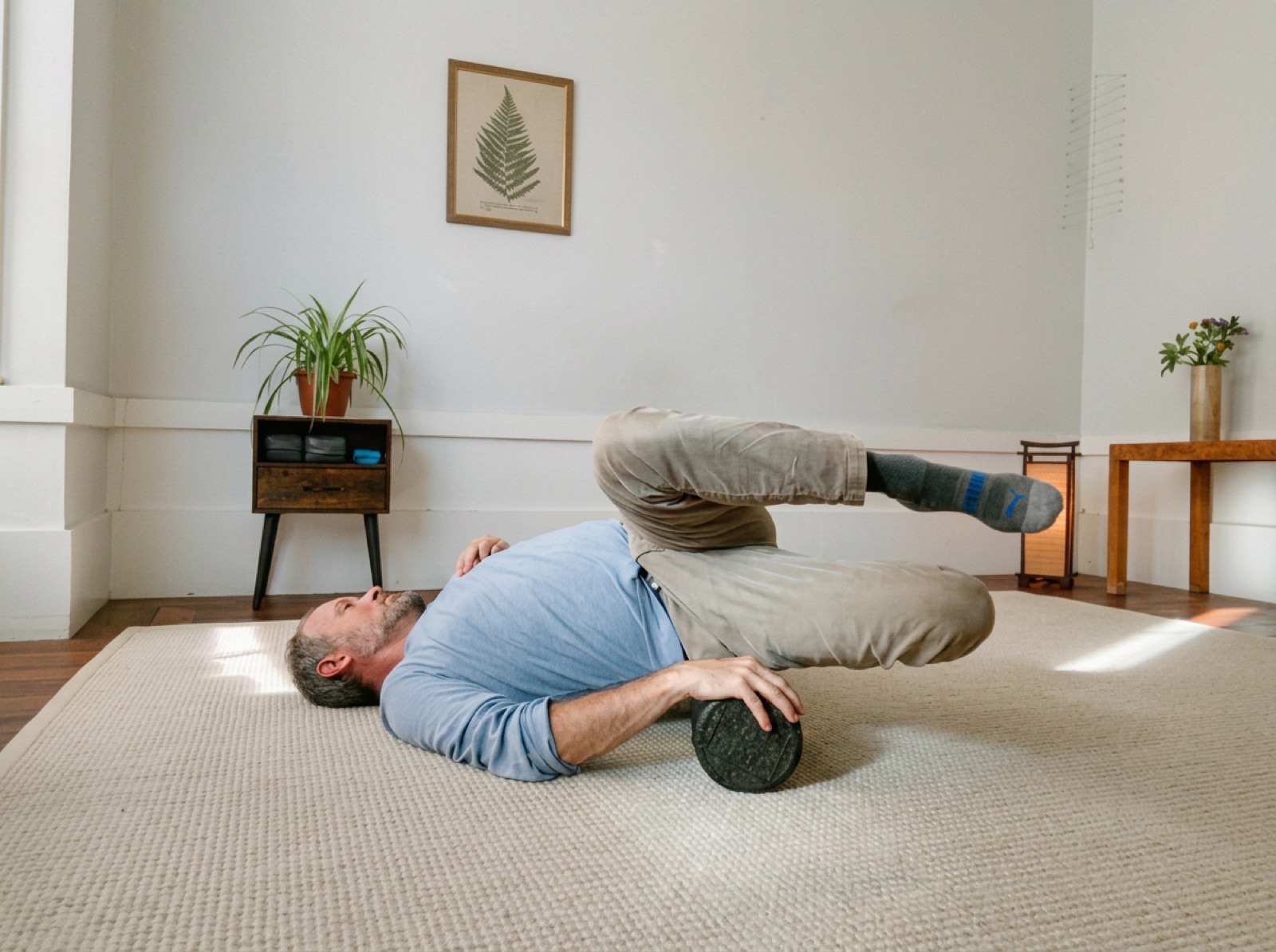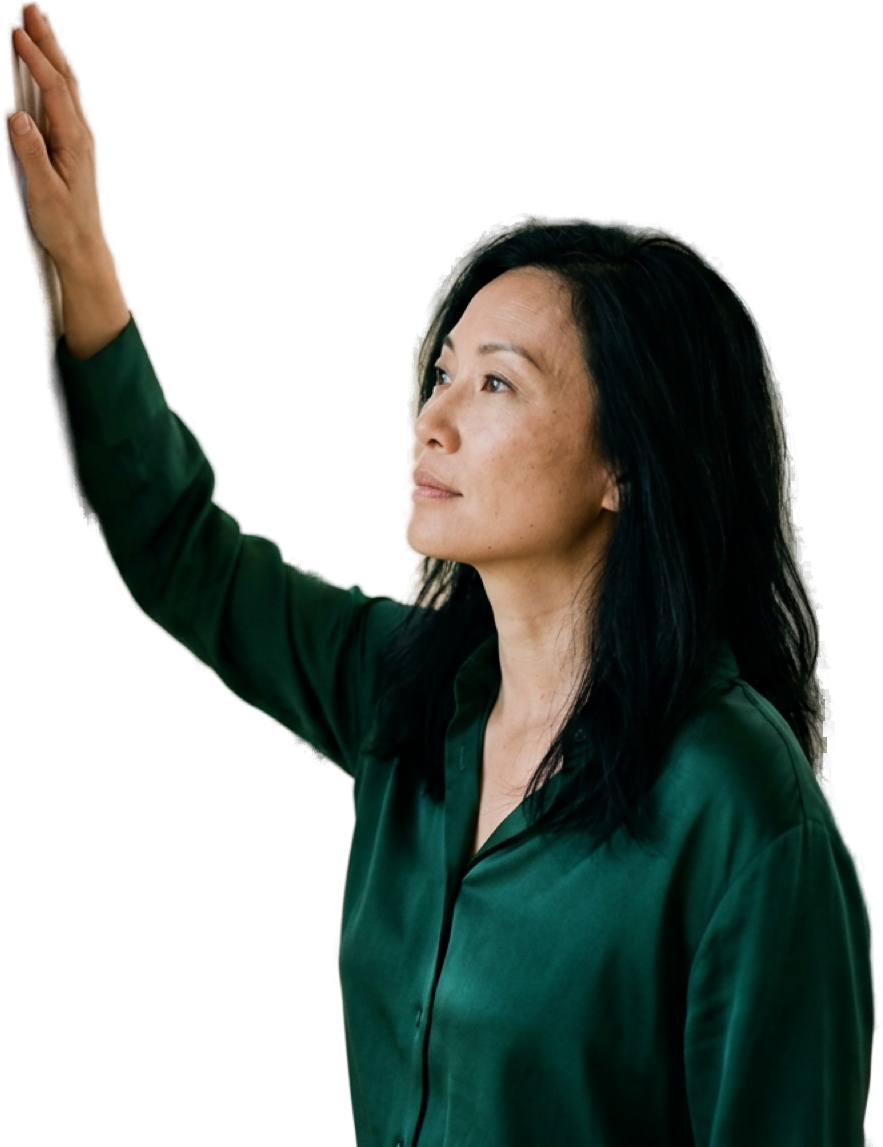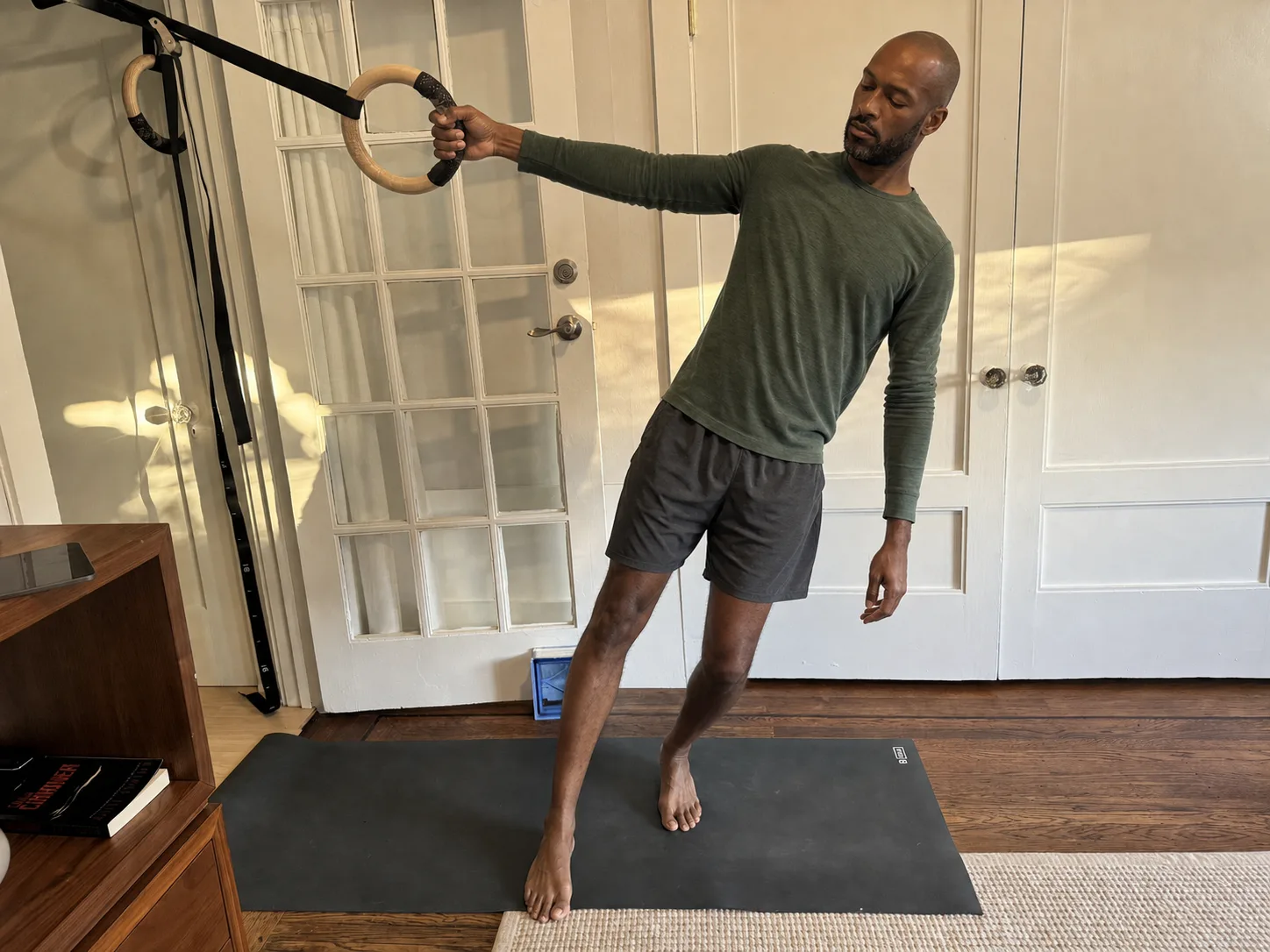
There are a few variations of the suspension squat, and they all do the same thing. They bring your body back into balance from top to bottom.
We all think of the head and neck as the top of the body. But for full bodily function, the hands become the functional top while you're hanging. That makes the head and neck the middle of the upper body, not the top.
The hands were built to hang. When you hang, the tension you've packed into your neck and shoulders from sitting finally redistributes through the whole body instead of staying knotted in those few spots. Now everything from the hands down shares the weight together, so no single part carries the load on its own.
Balance isn't about doing more everywhere. Some parts of your body need to work more, and some need to work less. That's what balance is, and it looks different for every body.
In the suspension squat, and in every protocol, you're learning to feel what your body is telling you, instead of overriding it the way you have for years.
When you're in the suspension squat, the hands come into direct relationship with your shoulders and spine. Like a suspension bridge, every part is built to hold the tension and weight of the whole thing together. When you hang, the hands become partners with the neck and spine, instead of those parts carrying the load in isolation.
You can also think about proper function in the body the way you'd think about a chain-link fence, or dominoes. Every part has to be in direct relationship with the parts next to it to restore wholeness. When you're hanging, and more importantly how you're hanging, what's overworking in your body can finally let go. What's underworking can start to engage with the whole body again. You start connecting the dots through your entire body.
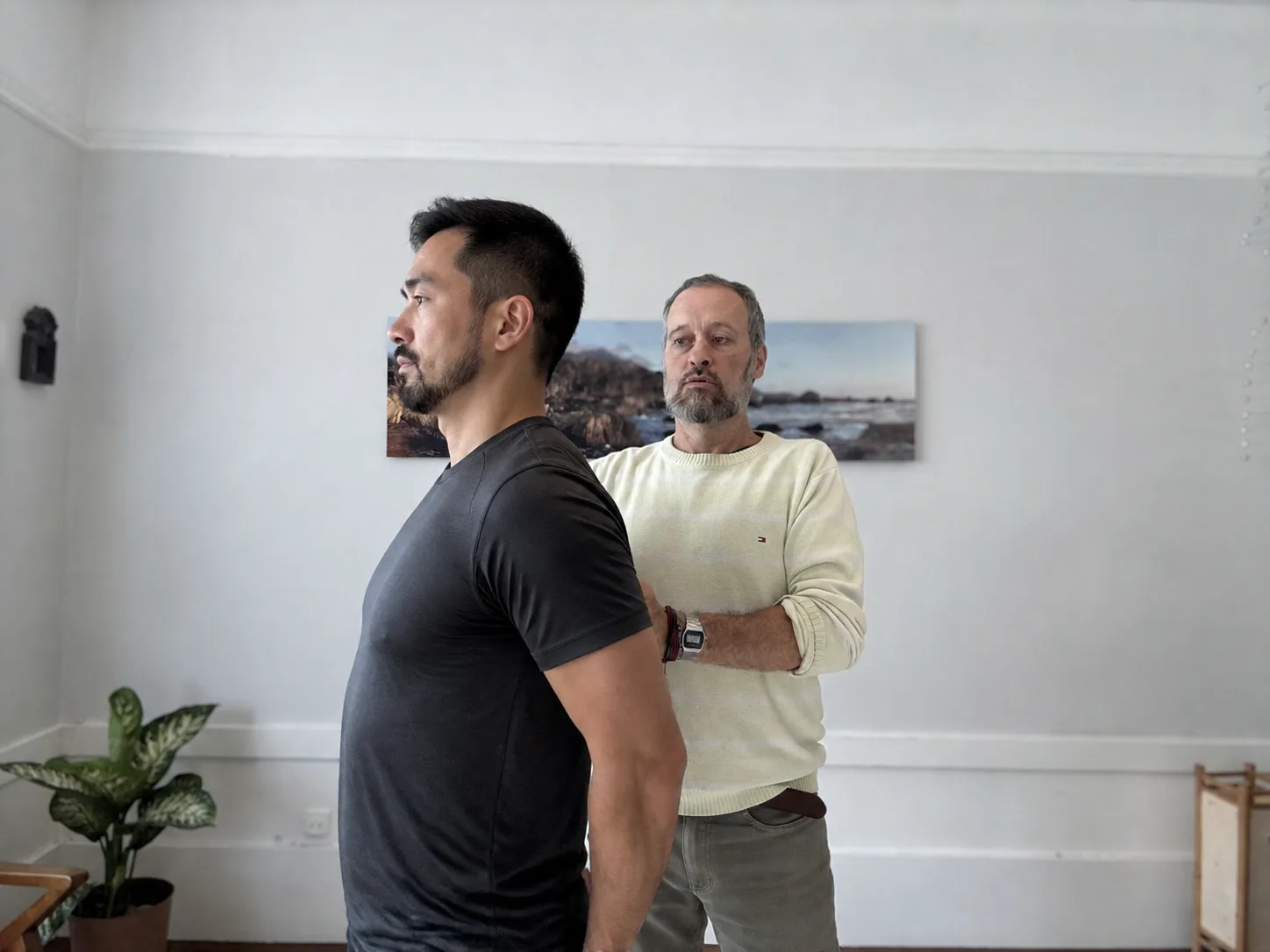
When you lift your hands overhead to open the armpit, that's the primary movement of the shoulders and hands. When you hang, you condition the whole body along its vertical length, as if you were standing tall between two walls. If you can't see your armpit, your shoulder isn't doing its primary movement, and most people go through the day without ever getting there.
Spinal health and shoulder mobility are directly related to hanging. It's the shoulder's most basic way to gain functional strength.
Grip strength tends to track with how well people age, and a big part of that is proprioception. Proprioception is your body's sense of where it is in space. When more of your body is in clear communication with your brain, you tend to move and feel better.
There are people who can lift heavy weights but can't hang for long. Same body, different conditioning. They've been making some parts work too hard, so other parts switched off. The hands haven't been used in their primary way, and the full chain has stopped communicating.
Hanging works with the body as one connected system. When the system reconnects, here's what people tend to feel and gain over time:
Most people are surprised by what they notice in their body during the suspension squats. It's one of the main protocols we use to restore full-body integrity and a clearer, calmer head.
The hands were built to hang.Garrett
Hanging isn't one-size-fits-all. The way one person needs to hang isn't the way the next person does. Those small differences are what build the awareness you need to start rebalancing the whole chain yourself, from the hands, down the arms, into the shoulders and spine.
We show you the variations of the suspension squat that fit where your body is out of balance, so you can find your own blind spots. A lot of things push a body out of balance, and the most common is sitting too long. Most of us sit for hours, and when we do move, it's often in ways that don't build much awareness. Hanging works on the sitting and the lack of awareness at the same time.
The way one person needs to hang isn't the way another does. The small differences are what build the awareness to start rebalancing the chain yourself. Garrett shows you the variations that fit where your body is out of balance, so you can find your blind spots and practice on your own from there.
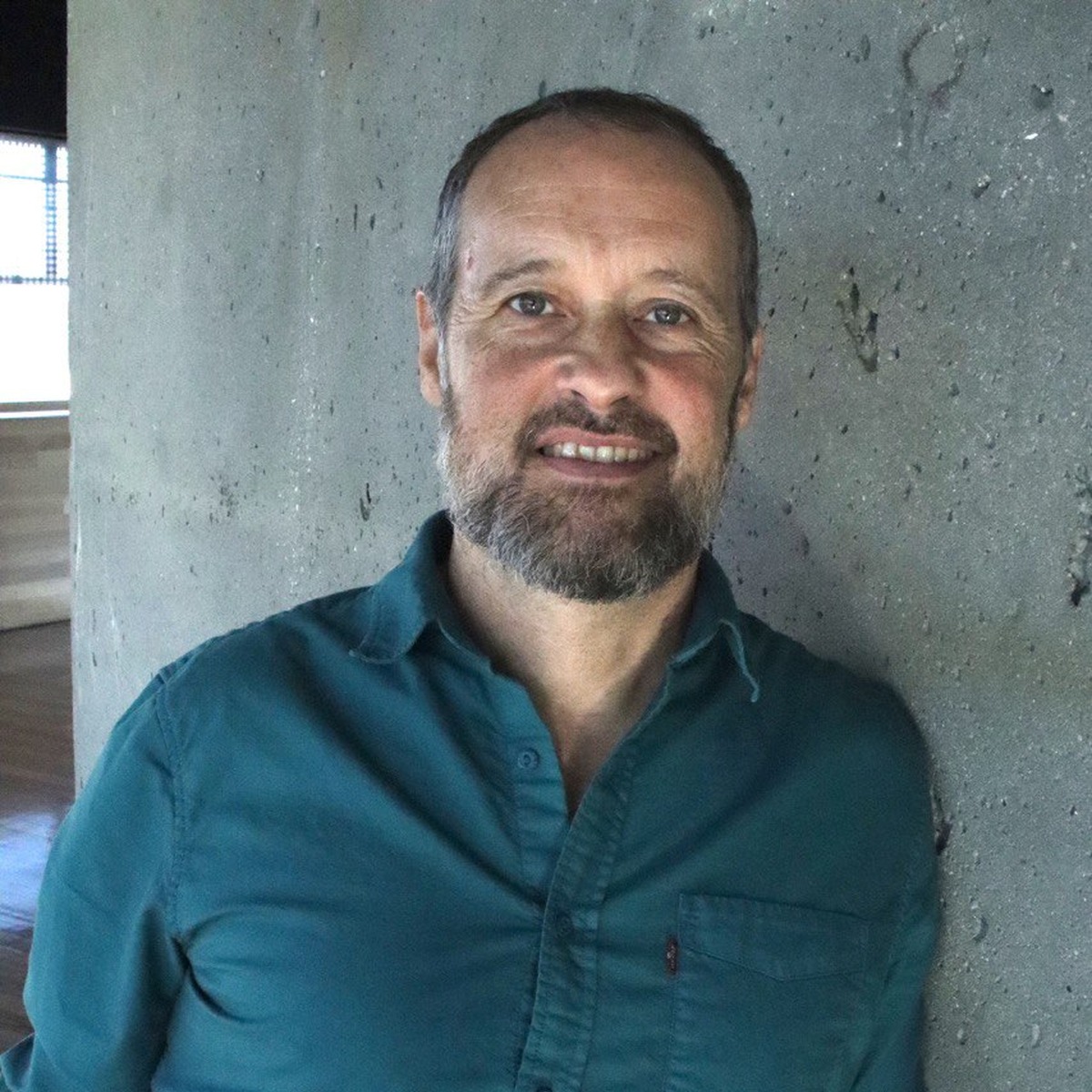
Garrett Hewstan is the founder of the Amari Method, a structured approach to resolving chronic pain by finding where the body is out of balance and teaching it to rebalance. He sees clients in San Francisco and offers virtual sessions nationwide.
Book a session with Garrett. If you don't experience noticeable relief, we keep working with you until you do, at no additional charge.
$29 · Amari Assessment · 50 minutes · San Francisco