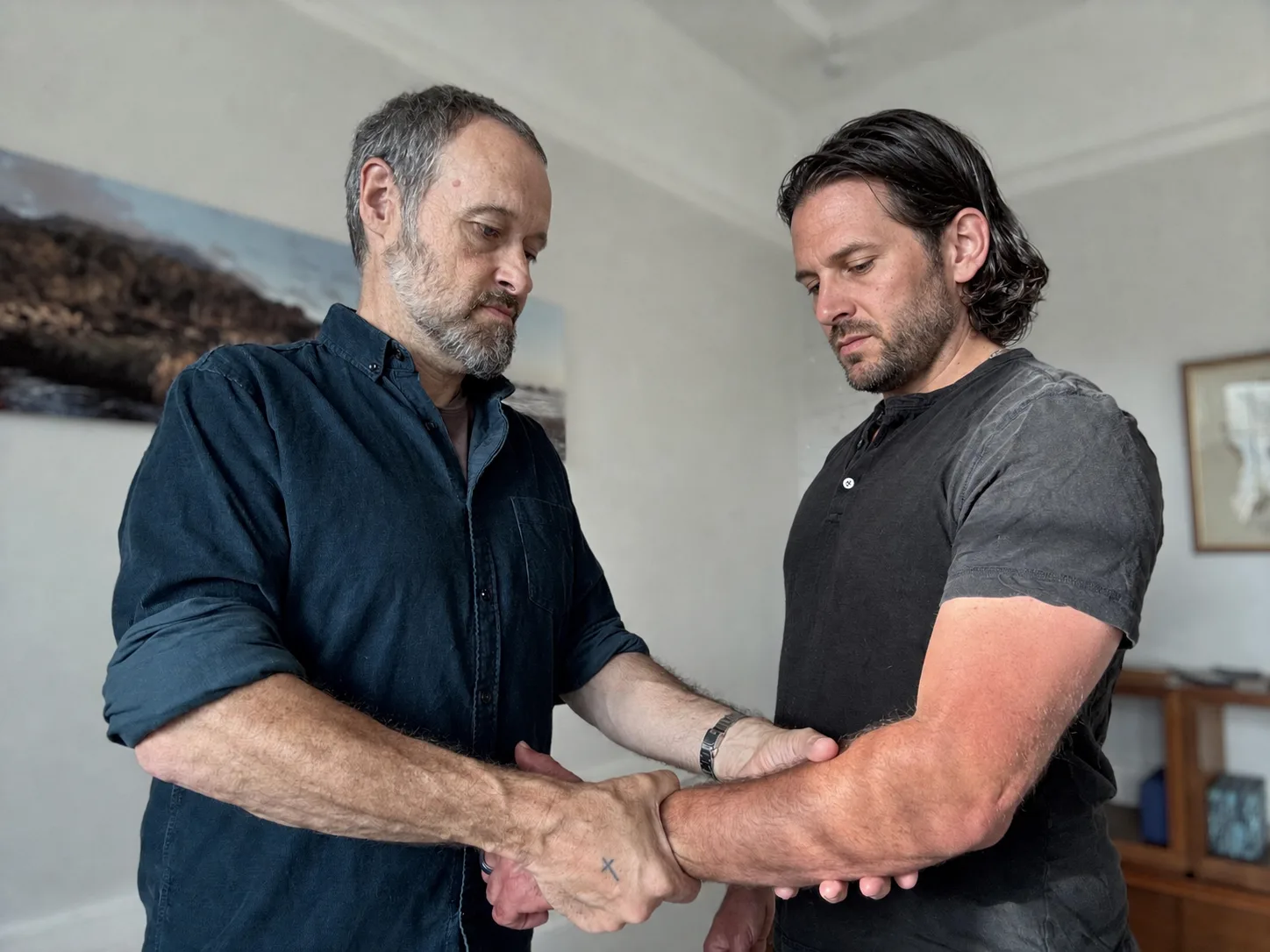
Your hands hurt. They feel tight when you wake up. The thumbs ache. There might be numbness in two or three fingers, and surgery might already be part of the conversation.
Here's what's actually going on: your hands have been doing only half of their job for years. The closing half. The gripping, the typing, the clenching of a coffee cup, the curl of fingers around a phone. Modern life is one long instruction to keep the hand closed. The opening half, the half that should be balancing all of that, has been off duty so long it's nearly forgotten how to participate.
Your hand muscles come in two groups that are supposed to balance each other. Flexors close the hand. Extensors open it. Both are designed to do roughly equal amounts of work over the course of a day.
Flexors are the muscles in the front of your hand and forearm, the gripping, squeezing, typing muscles. You use them every waking minute. Extensors are on the back. They spread your fingers, lift your wrist, open your hand wide. Almost nobody uses these on purpose anymore.
Over years, the flexors get overdeveloped and exhausted. The extensors atrophy from sitting out the game. The hand starts to live in a half-closed position even when it's at rest. The eight small carpal bones in your palm, bones that are supposed to move freely against each other, start to bunch and compress because the closed posture is asking them to. The median nerve threading through that bunched space gets squeezed. That's the numbness.
Something is working too hard because something else has stopped working enough.Garrett
Carpal tunnel surgery cuts the ligament that's compressing the nerve. It makes more room, and it often gives real relief. But it doesn't change why the bones bunched in the first place. If you return from surgery to the same closed-hand patterns, the same imbalance compresses the same nerve through different geometry. The pain comes back, sometimes at the same location, sometimes one finger over.
Wrist braces splint the joint into a more neutral position. Useful for stopping the symptoms from getting worse during sleep or repetitive work. But the brace is doing the job your extensors should be doing. The longer you rely on the brace, the less the muscles do, and the more your hand needs the brace.
Both manage the symptom. Neither addresses the imbalance.
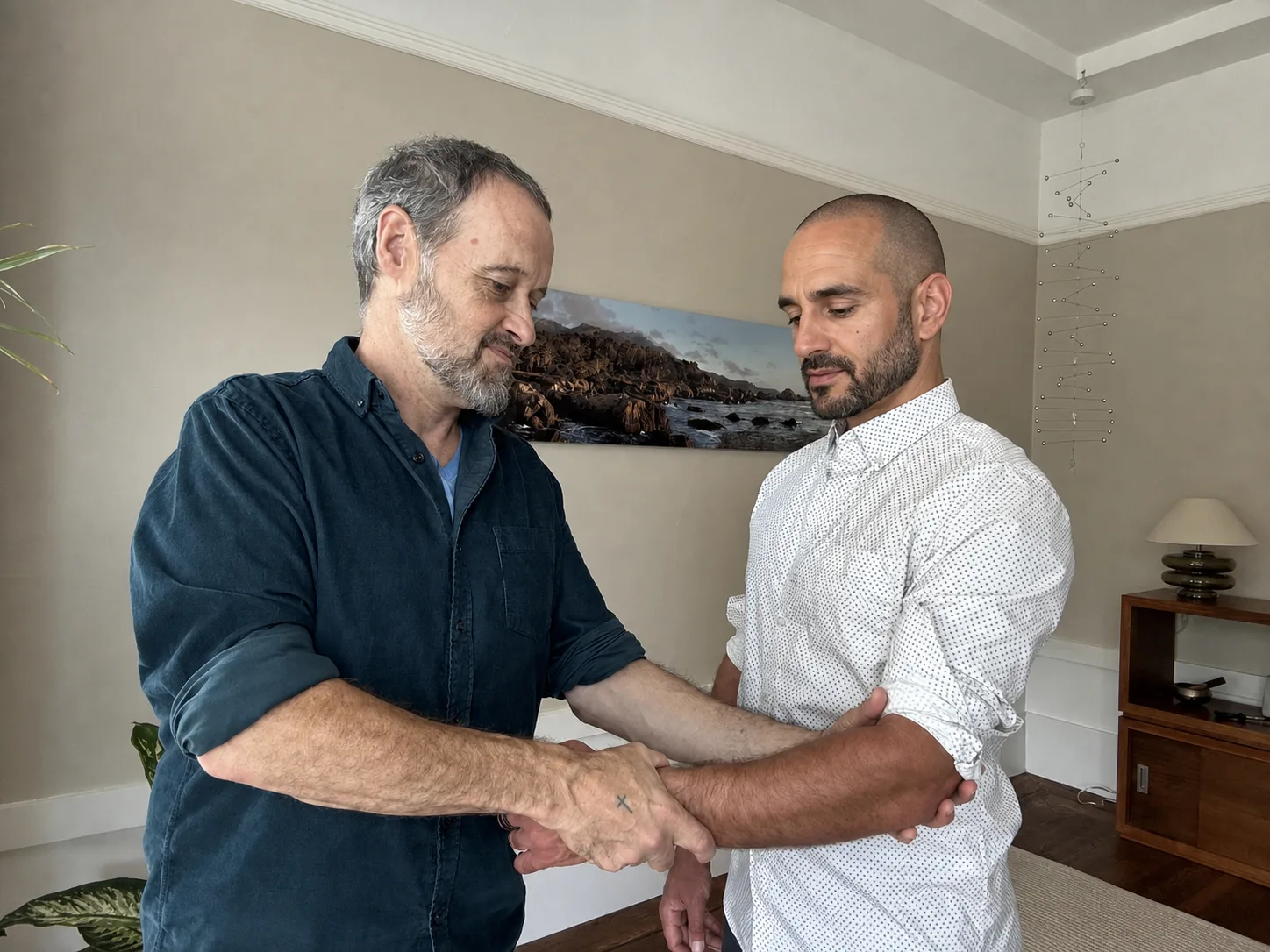
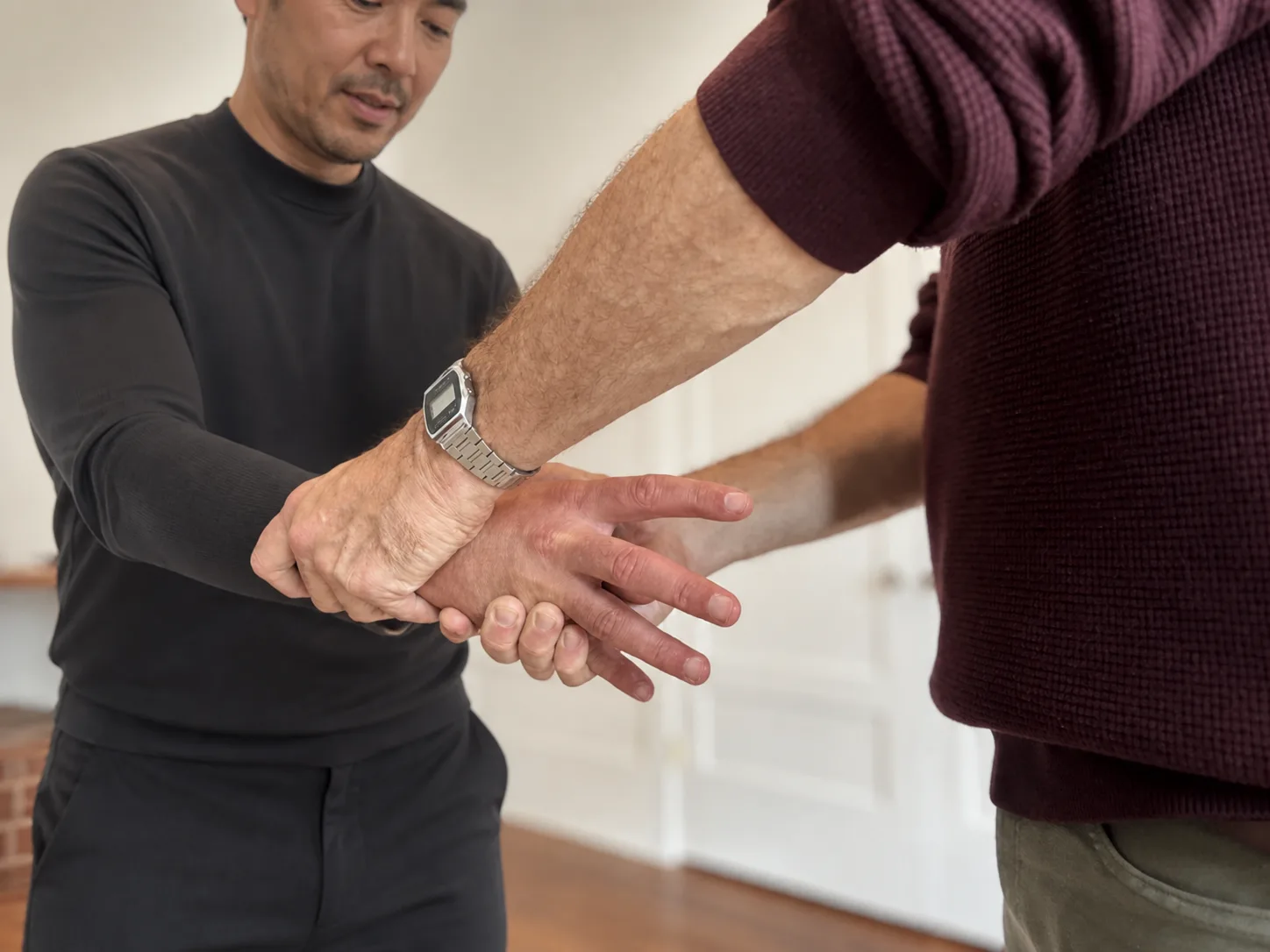
The hand balancer creates opposition inside your hand. Your thumb pushes against your pinky in a specific way, one hand resisting the other. The five long bones inside your palm, the metacarpals, are forced to open like a fan instead of staying bunched like a closed fist.
For the first time in years, your extensor muscles have something to push against. They wake up. They start participating. As they get stronger, the chronic gripping pattern loses its grip on your hand. The metacarpal bones get more space. The carpal bones underneath them stop bunching. The nerve threading through that space has room again.
Your thumb pushes against your pinky, one hand resisting the other, and the metacarpals open like a fan instead of staying bunched into a fist.
For the first time in years, they have something to push against. As they get stronger, the chronic gripping pattern loses its grip and the nerve threading through your palm has room again.
The hand balancer doesn't decompress the nerve through force. It changes what's asking the nerve to be compressed.
Most clients feel a difference in their first session: usually a sense of openness, sometimes a flush of warmth as blood flow returns, often the realization that they didn't know how clenched their hands had been until they opened.
In the weeks after, the morning numbness fades first. The thumb ache that's been a fixture for years gets less constant. People notice they can spread their fingers wider than they remember being able to. Grip strength improves, which sounds backwards, until you realize the extensors have been the missing half of grip all along. A hand that can fully open also closes more powerfully.
Clients tell me they hadn't realized how much energy their hands were spending on gripping and how little on releasing. The relief shows up as the absence of an effort they didn't know they were making.
The hand balancer looks simple from the outside. Push the thumb against the pinky, the other hand resists. But the angles are precise. Millimeters of difference at the metacarpals change whether you're activating the extensors or just gripping harder with the flexors.
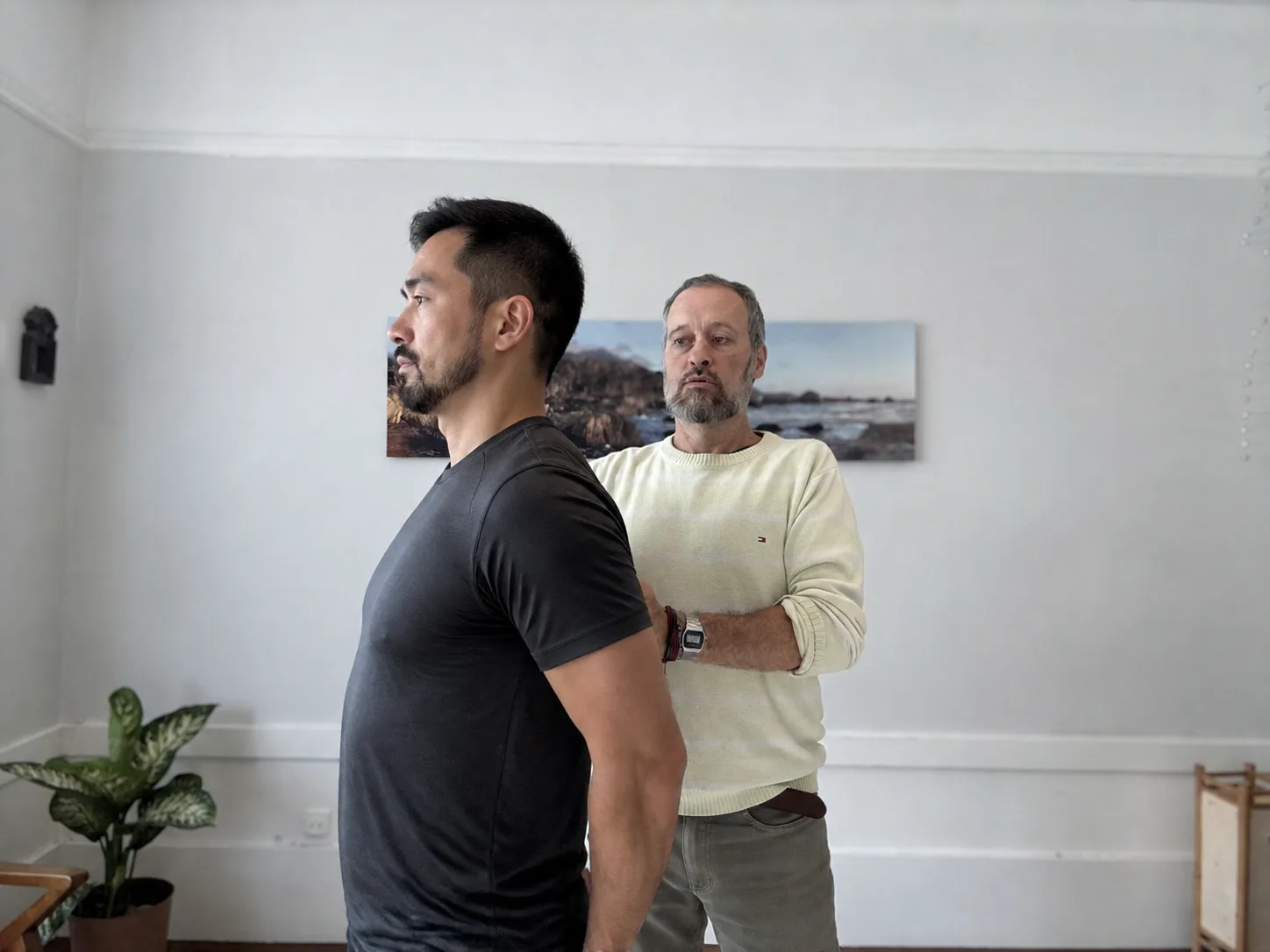
Most people, given a written description, do it as a grip exercise, which is the opposite of what the protocol is for. In a session, Garrett gets your hand into the right position, calibrates the force, and shows you what extensor engagement actually feels like. After that, you can do it anywhere: at your desk, in line at the store, watching TV. It's the protocol you can do most often without anyone noticing.
If your hands ache every morning no matter what brace or stretch you've tried, we can help. See how the Amari Method finds the pattern behind it.
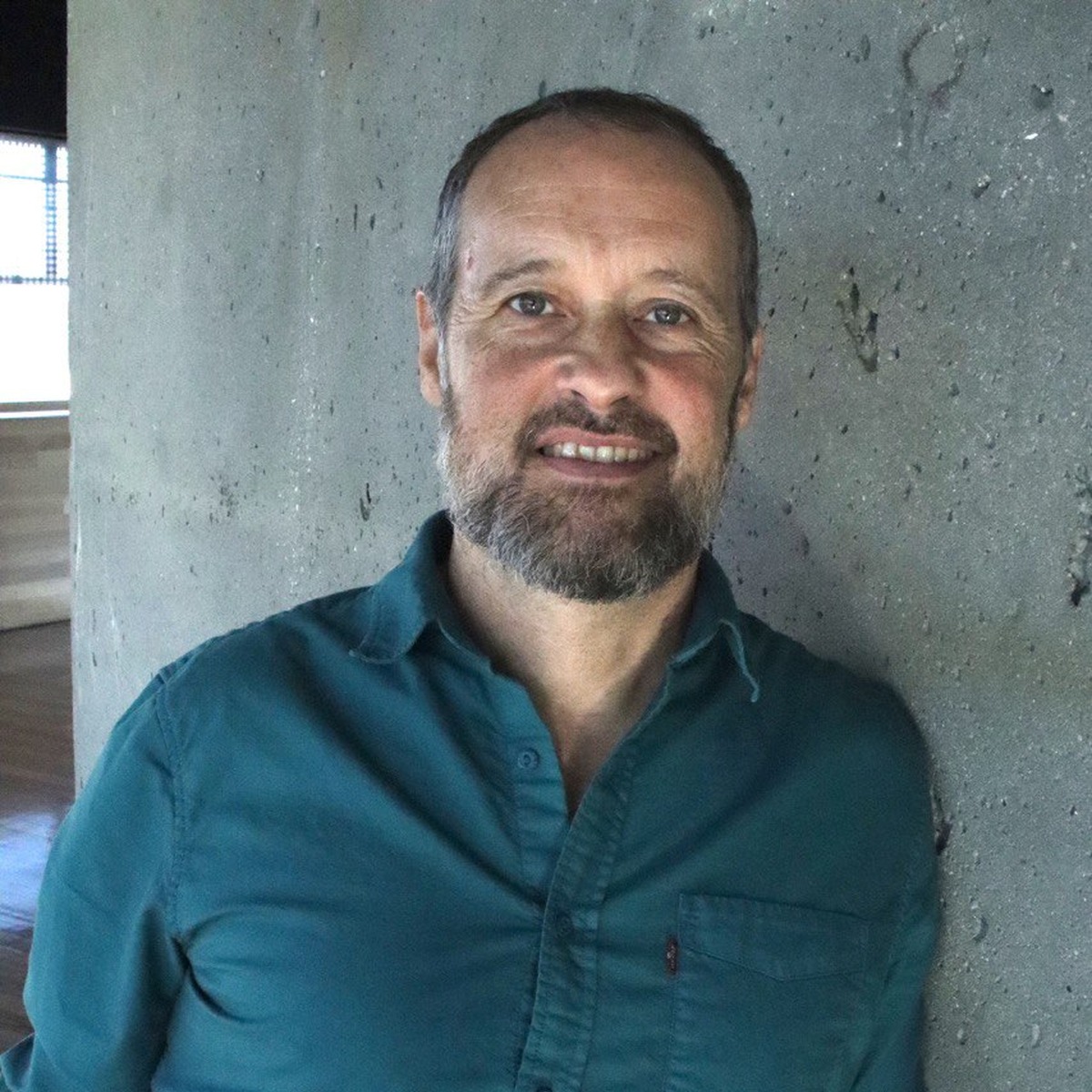
Garrett has spent 25+ years in hands-on practice. He built the Amari Method after using its own protocols to resolve his own carpal tunnel and plantar fasciitis.
Book a session with Garrett. If you don't experience noticeable relief, we keep working with you until you do, at no additional charge.
$29 · Amari Assessment · 50 minutes · San Francisco