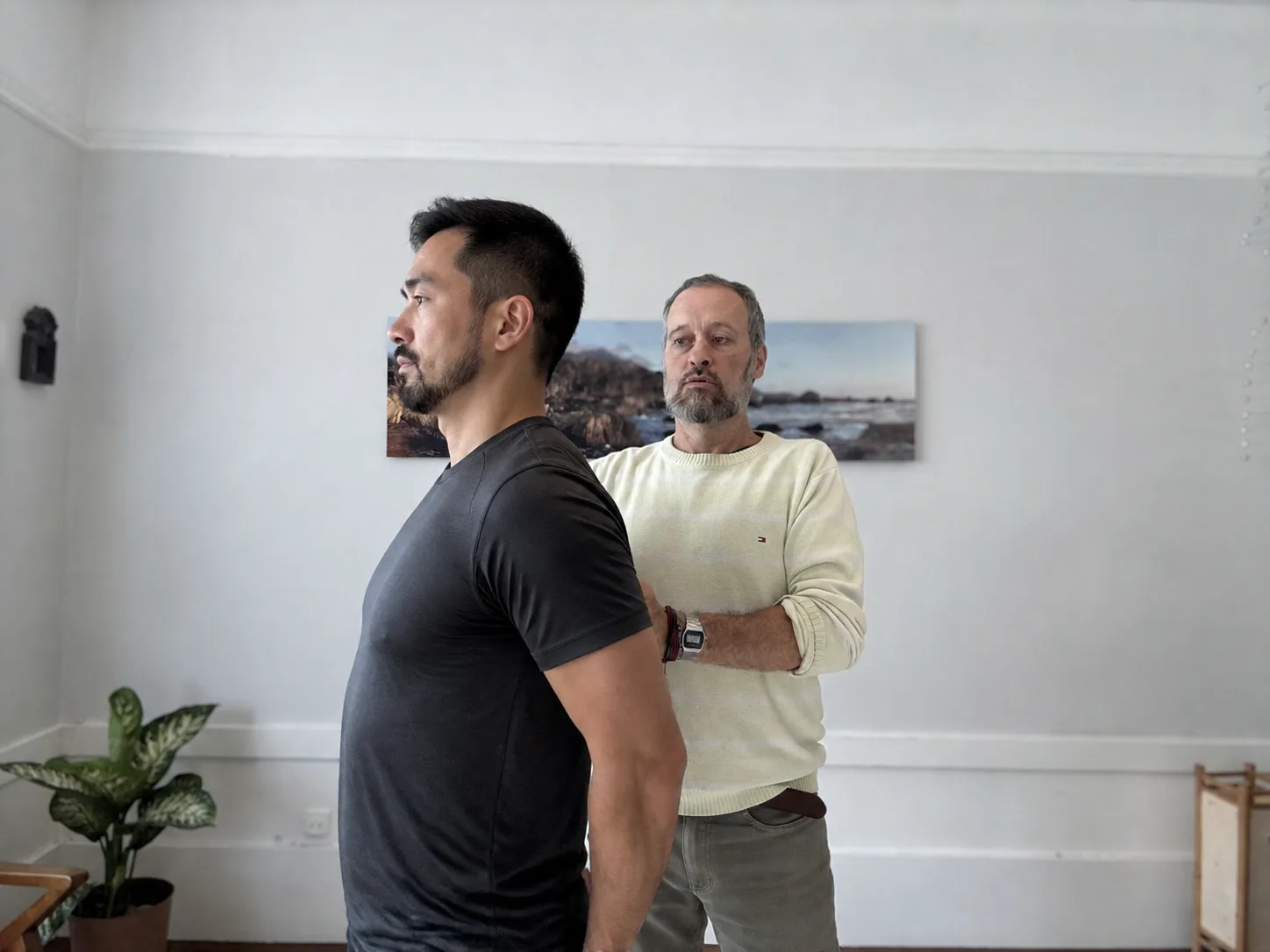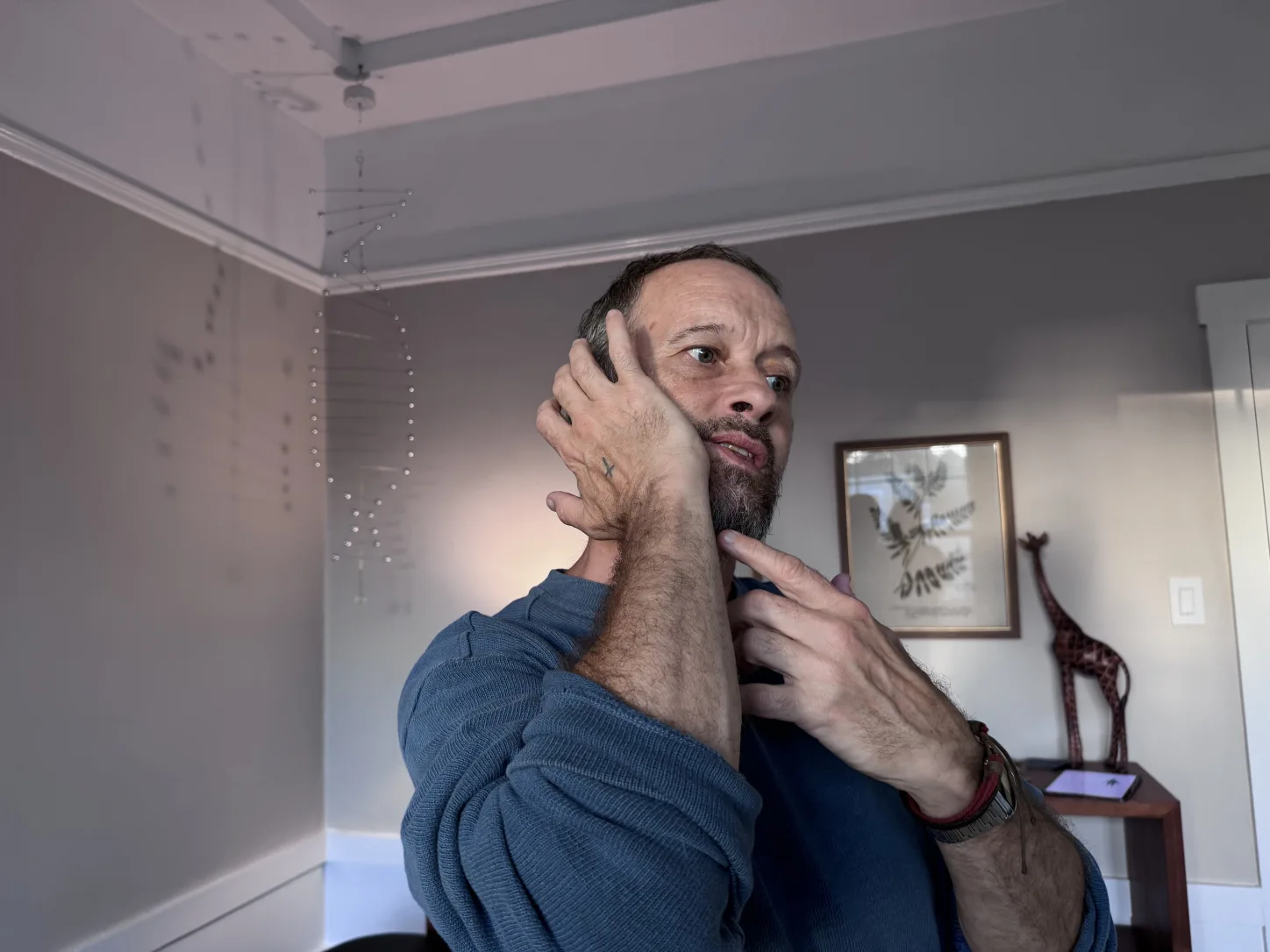
Your jaw feels off. It could range from slightly annoying to incredibly uncomfortable to downright painful. Regardless of whether you've been diagnosed with TMJ disorder, you need help. Maybe you've tried mouth splints, bite guards, painkillers, and even considered surgery, but nothing has addressed the root cause: the jaw out of balance.
The body is simple. It's always asking for balance, whether it's your back, your hand, or your jaw. Something is working too hard because something isn't working enough.
The jaw is one of the most powerful muscle systems in the body for its size. The masseter, the muscle that hooks under the jaw and clenches it shut, is, pound for pound, the strongest muscle in the whole body.
But power without balance creates dysfunction. Some muscles are working too hard while others aren't working enough. Over months and years, the jaw stops tracking properly. Most people with TMJ disorder experience headaches, ear fullness, or both, symptoms that can seem completely unrelated to the jaw. Others feel it as jaw pain or tension. Some simply notice the dysfunction, the clicking, the locking, without any pain at all. And some have never been diagnosed with anything. They just know their jaw doesn't feel quite right.
The body is telling you it wants something different. It just needs to use those muscles in another way to override the dysfunction and retrain them. It really is that simple.
A night guard protects your teeth from clenching. It does not change why you're clenching. A bite adjustment changes the joint mechanics. It does not change the pattern asking the joint to track that way. Painkillers turn the volume down on the symptom. They don't address the source.
All of these are useful at managing the pain. None of them address why your jaw is bracing in the first place. That's why the relief is temporary, the equipment becomes permanent, and the pattern continues, sometimes for years, sometimes for decades.
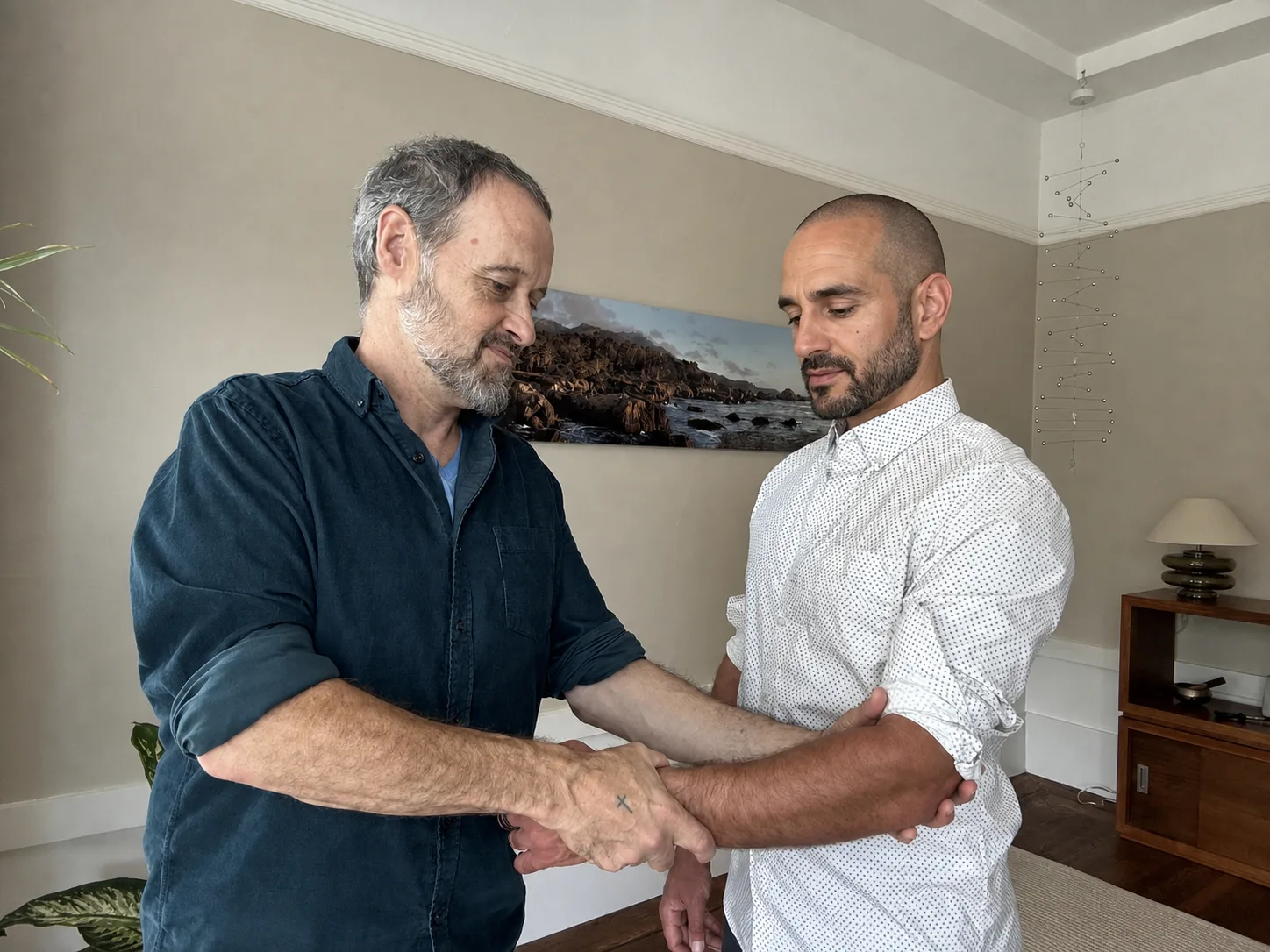
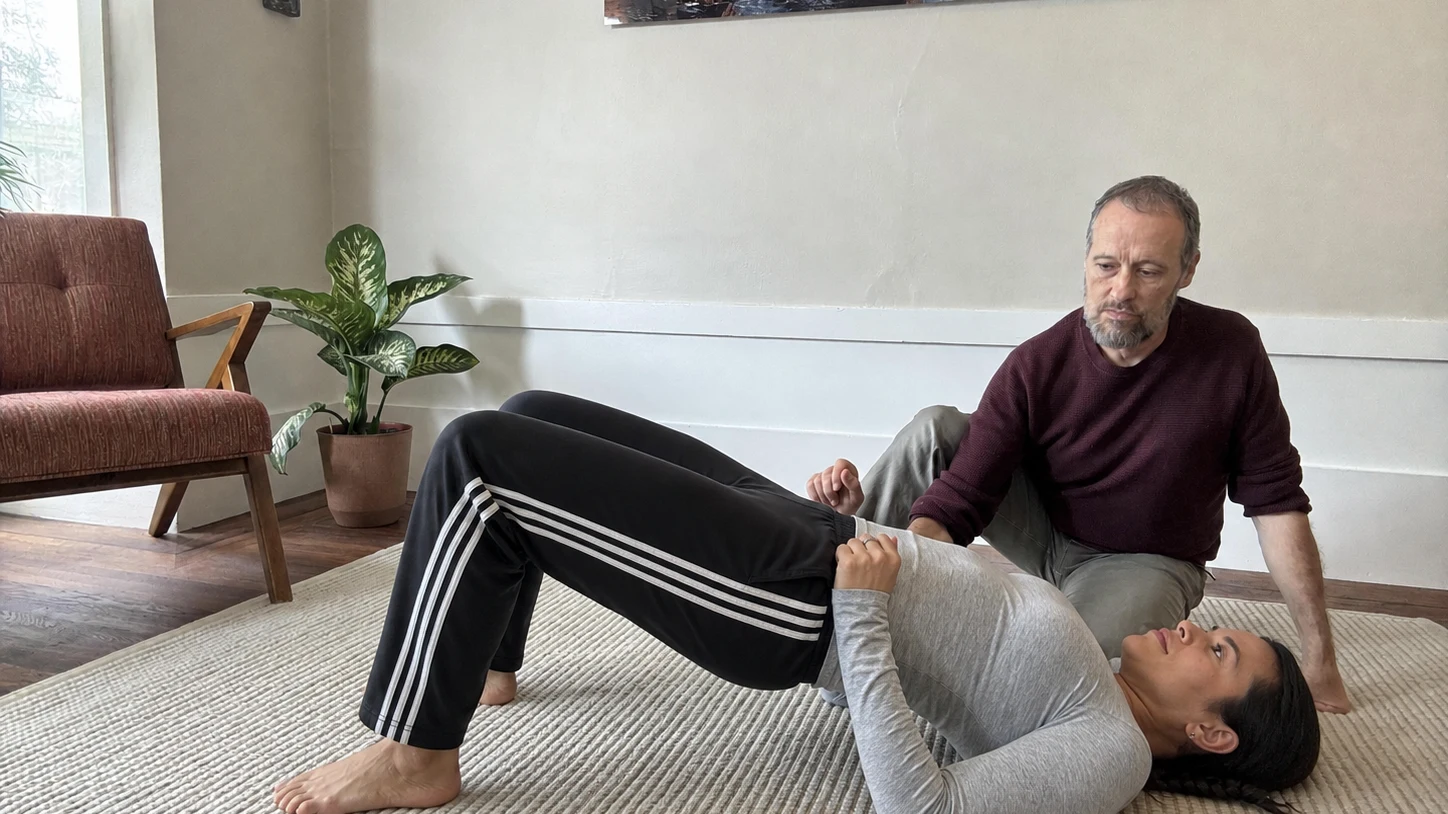
Jaw Align is a gentle resistance protocol. You push your jaw in a specific direction. Your hand resists with exactly equal force. Nothing actually moves. That stillness is the whole point.
Here's what's happening underneath: the muscles that have been chronically overworking finally hit their limit. When a muscle has been firing all day every day for years, it doesn't know how to stop on its own. Pushing it to its actual edge, even briefly, even gently, gives it permission to release. At the same time, the muscles that have been asleep wake up. They've been off duty so long they've forgotten their job. The resistance reminds them what they're for.
The principle is balance. Both sides equal. Both sides participating. The jaw stops being held in tension by one side and stops being abandoned by the other. It tracks the way it was designed to.
Some clients tell me they didn't realize how much energy their jaw was taking until it stopped taking it.Garrett
Most clients feel something shift during their first session. Not always a complete release, though sometimes that, but enough that they can tell something underneath has changed.
The clicking quiets first. The morning headaches go from constant to occasional. The ear fullness fades. People notice they're not clenching as hard at night, and their face feels lighter. A few sessions in, the jaw stops being a thing they think about during the day.
The protocol looks simple from the outside: push the jaw, hand resists, hold. But the details are the difference between a release and an injury. How much pressure is too much. Where exactly your hand goes. How long to hold. Which direction to start in for your specific pattern. Whether to do both sides at once or alternate.
Most people, given a description, apply too much force. The jaw is the strongest muscle in the body for its size, but it's also one of the most sensitive. The matched-force principle has to be felt, not described. That's what your first session is for. Garrett guides you through the protocol on your specific body, corrects the form in real time, and sends you home with a practice you can do anywhere, for the rest of your life.
If your jaw has felt off for years no matter what equipment you've tried, we can help. See how the Amari Method finds the pattern behind it.
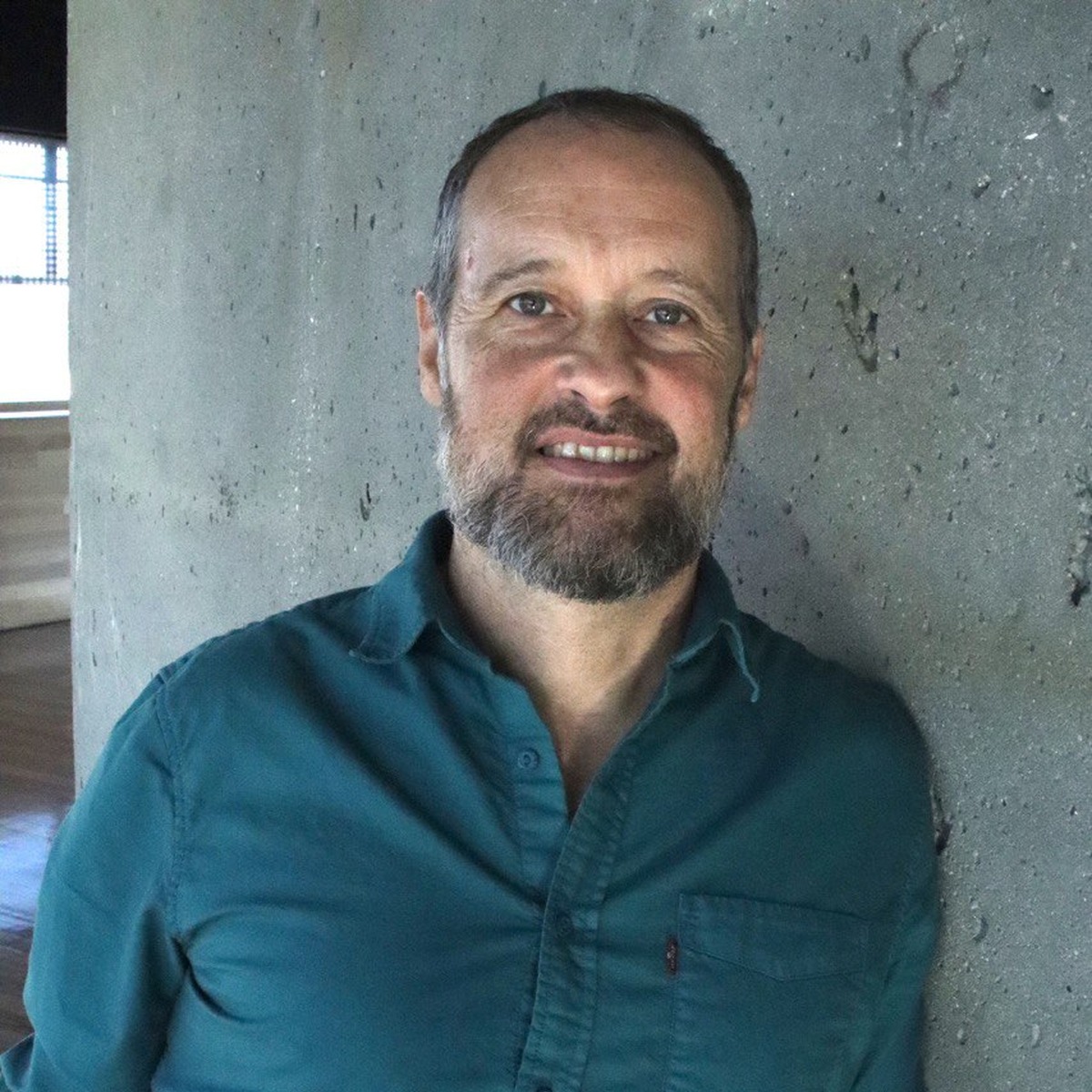
Garrett founded the Amari Method to resolve chronic pain by finding where the body's gone out of balance and correcting it. He sees clients in San Francisco and offers virtual sessions nationwide.
Book a session with Garrett. If you don't experience noticeable relief, we keep working with you until you do, at no additional charge.
$29 · Amari Assessment · 50 minutes · San Francisco